
Stories & Thoughts

What season is your company in, and do you have the right leader?! One of the biggest mistakes organisations make is assuming that a successful leader in one environment will automatically succeed in another. In my experience, that simply isn't true. Over the years I've worked with organisations facing rapid growth, significant transformation, commercial challenges and, on occasion, genuine crisis. I've also spent a great deal of time studying leadership in some of the harshest environments imaginable, from the Arctic to the boardroom. One observation keeps resurfacing: Different situations require different types of leaders. We often talk about leadership as though there is a single formula for success. History suggests otherwise. Take Sir Winston Churchill. Churchill is rightly remembered as one of history's greatest leaders. During the Second World War his courage, conviction and refusal to accept defeat helped inspire an entire nation. Britain needed a wartime leader. It needed somebody capable of making difficult decisions, taking risks and providing unwavering direction during a period of existential threat. Yet shortly after victory in Europe, Churchill lost the General Election. His leadership hadn't suddenly become ineffective. The environment had changed. The British people no longer needed a wartime leader. They needed someone who could focus on rebuilding communities, creating social infrastructure and delivering long-term stability. The qualities that made Churchill exceptional during crisis were not necessarily the same qualities required during peace. It raises an interesting question for modern organisations: Are we choosing leaders based on what the organisation needs today, or based on what worked yesterday? I increasingly see three broad leadership archetypes. The first is the Crisis Leader . These leaders thrive when uncertainty is high and the stakes are even higher. They are decisive, resilient and comfortable making difficult calls with incomplete information. They can rally people behind a cause and provide clarity when chaos surrounds them. Every organisation will need this type of leader at some point. The second is the Growth Leader . These individuals excel when stability exists and opportunities for growth are abundant. They focus on culture, systems, talent development and sustainable performance. They create environments where people can thrive and where organisations can scale effectively over the long term. These leaders are often less visible than crisis leaders, but their impact can be equally significant. The third type is the rarest. The Adaptive Leader . These are the individuals capable of moving between crisis and calm. They know when to take command and when to empower others. They understand that leadership is not about applying a fixed style but about responding appropriately to the circumstances in front of them. History offers examples such as Abraham Lincoln and Nelson Mandela. Leaders who could navigate immense turmoil while simultaneously laying foundations for long-term prosperity and reconciliation. The reality is that most organisations don't fail because they lack good leaders. They fail because they have the wrong leader for the season they are in. I've seen founders who were brilliant at creating businesses struggle to scale them. I've seen exceptional operational leaders falter during periods of major disruption. Equally, I've seen transformational leaders continue to operate in crisis mode long after the emergency has passed, creating fatigue and instability where neither is needed. The challenge for boards and leadership teams is not identifying the "best" leader. The challenge is identifying the leader best suited to the current environment. As leaders, we should ask ourselves the same question. Am I leading the organisation I have today, or the organisation I had twelve months ago? The answer may determine whether we continue to create value or become the very obstacle holding it back. The greatest leaders are not necessarily those who dominate every situation. They are the ones who recognise when the season has changed and have the self-awareness, humility and adaptability to change with it. Leadership is not a fixed set of behaviours. Leadership is the ability to accurately diagnose the environment and adapt your approach accordingly.

For years, leadership development has focused heavily on the qualities of great leaders. We celebrate visionaries, strategists, innovators and crisis managers. Yet one question is often overlooked: What if leadership success is determined as much by the environment as it is by the leader? This has led me to think about environmental factors and existing thinking, such as Situational Leadership (Hersey and Blanchard) or Fiedler's Contingency Theory and whether there is further progress to be made in this space. At the core I think this is a simple proposition: "The right leader in the wrong environment can be as damaging as the wrong leader in the right environment." The theory suggests that organisations typically operate within one of three distinct environments or Seasons: Crisis Environment Where survival is the priority. Decisions must be made quickly, uncertainty is high and strong direction is often required. Growth Environment Where stability exists and the focus shifts to innovation, empowerment, culture and sustainable expansion. Transition Environment Where organisations move from one state to another through transformation, restructuring, succession or strategic change. Each environment demands different leadership behaviours, communication styles, decision-making approaches and personal attributes. History provides countless examples. Some leaders thrive during crisis but struggle when stability returns. Others excel during periods of growth yet falter when faced with existential threat. A smaller number appear capable of adapting their style to meet the demands of all three environments. Perhaps the question is not, "Who is the best leader?" Perhaps it is, "Who is the right leader for the environment we are operating in today?" Over the coming weeks I will be exploring each environment in more detail and sharing my thoughts on how leaders can recognise the environment they are in and adapt accordingly. Because leadership is not just about capability. It's about context. So what Season is your organisation in and which leader are you?
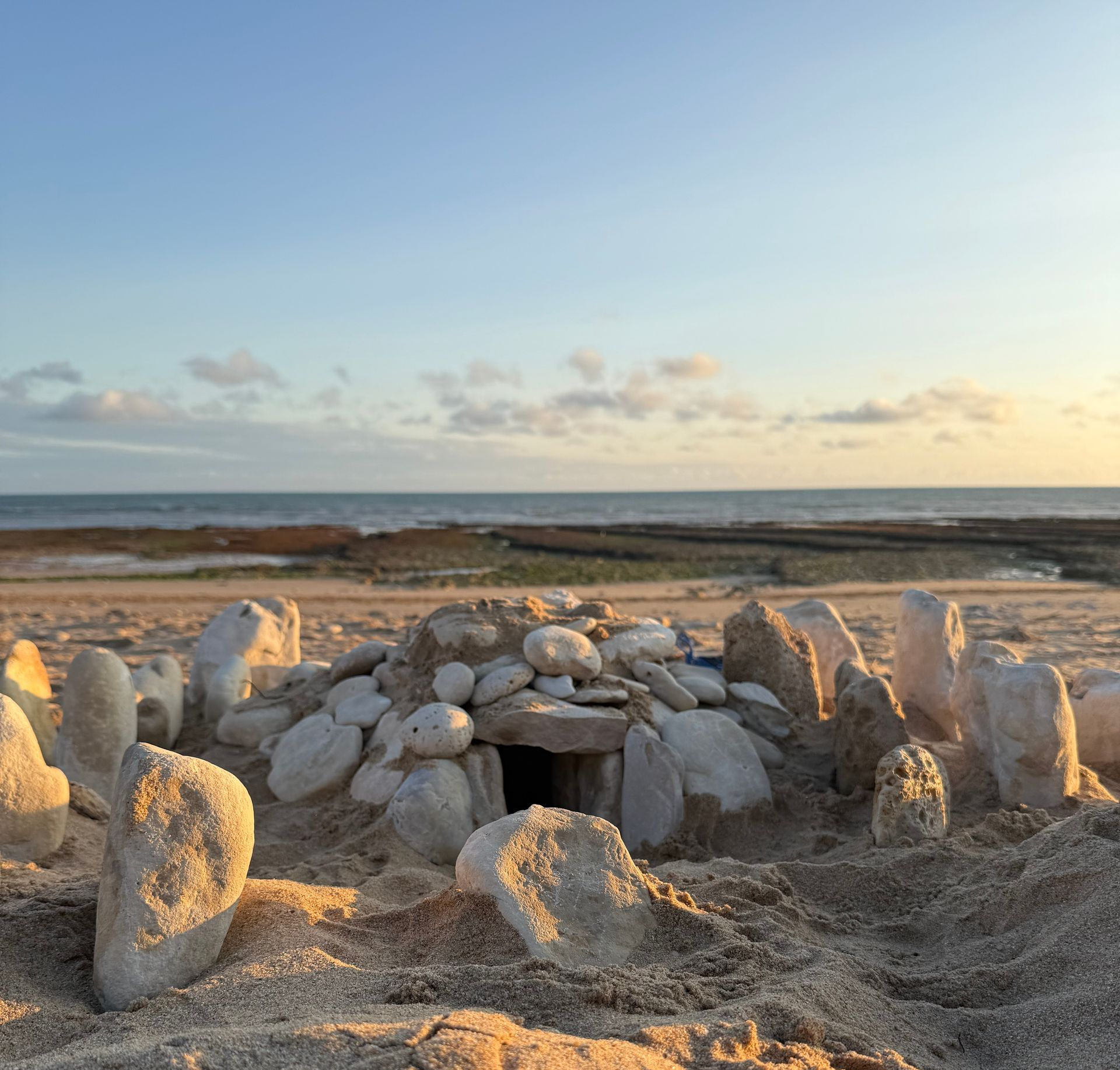
Less Means More: Why Senior Leaders Need to Stop Glorifying Busyness. One of the biggest myths in leadership is that success comes from working more hours. It doesn't Success comes from making better decisions. As I've progressed through my career, leading businesses, supporting boards, coaching executives and directing some of the world's toughest endurance events, I've come to realise that the highest-performing leaders are rarely the busiest people in the room. They're often the most balanced. Many of the world's most successful business leaders have interests and passions outside work. Whether it's endurance sport, reading, music, hiking, family time or simply creating space to think, they understand something that many aspiring leaders overlook: Downtime is not time wasted. It's where recovery, perspective and clarity are built. Leadership is a cognitive sport. The quality of your thinking matters far more than the number of hours you spend staring at a screen. Fatigue leads to poor judgement, poor judgement leads to poor decisions and poor decisions have consequences for entire organisations. Yet many executives continue to wear exhaustion as a badge of honour. Answering emails from the beach. Taking calls during family holidays. Being permanently available. The problem is that leaders set the cultural tone for their organisations. If the CEO can't switch off, nobody else feels able to. If senior leaders send emails at midnight, employees quickly conclude that this is what success looks like. It isn't. The most sustainable organisations are built by leaders who model healthy behaviours. They create environments where people can perform at their best, recover properly and return with renewed energy and focus. The same principles apply in endurance sport. Nobody becomes stronger during the race itself. Strength is developed through recovery between efforts. Business is no different. Sometimes the most productive thing a leader can do is step away. Take the walk. Go for the run. Spend time with family. Climb the mountain. Read the book. Sit quietly and think. Because leadership isn't about how many hours you put in. It's about the quality of the hours you do. Less really can mean more #Leadership #ExecutiveLeadership #LeadershipDevelopment #ExecutiveCoaching #Wellbeing #Resilience #BusinessLeadership #Culture #MentalFitness #Performance #LeadershipMatters #WorkLifeBalance #BoardLeadership #CEO #Entrepreneurship #PeakPerformance
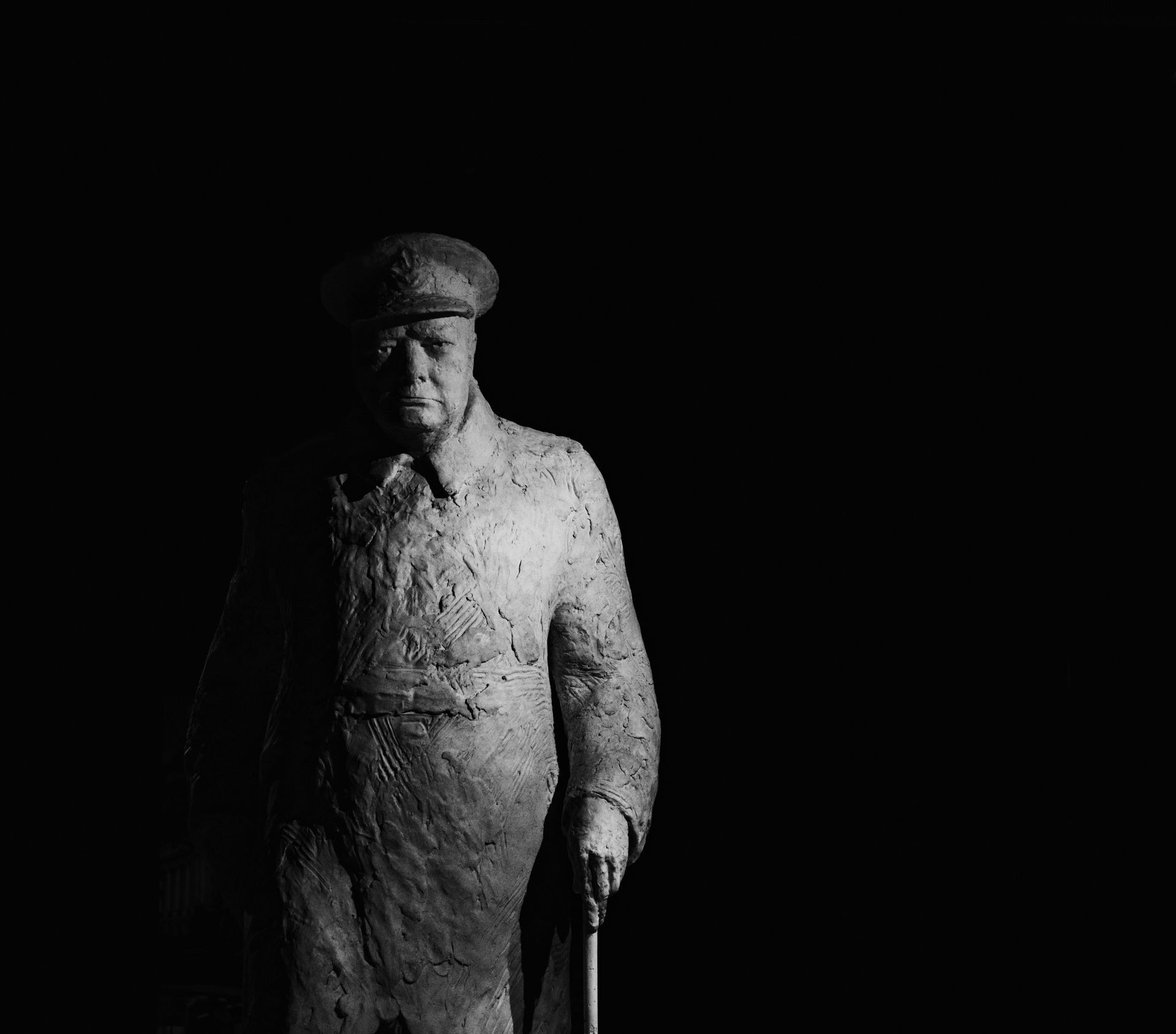
Lessons from the Arctic, the Boardroom and History's Greatest Leaders. Leadership has never been easy. Whether you're building a start-up, leading a scaling business, managing investors, carrying payroll responsibility, or navigating organisational change, leadership often feels lonely, uncertain and relentless. The reality is that most leadership books focus on strategy, vision and execution. Far fewer talk honestly about resilience. Yet resilience is often the defining factor between those who survive difficult periods and those who don't. As someone who has spent over 25 years in executive leadership roles and who has also directed and participated in some of the world's most challenging endurance events, I've become increasingly convinced that resilience is not a nice-to-have leadership quality. It is the foundation upon which all sustainable success is built. History repeatedly reinforces this lesson. Ernest Shackleton: Leadership When Everything Goes Wrong Few leadership stories are as powerful as that of Ernest Shackleton. In 1915, his ship, Endurance, became trapped and eventually crushed by Antarctic ice. His mission failed. His expedition objective was never achieved. Yet Shackleton is remembered as one of history's greatest leaders because he brought every member of his team home alive. His achievement wasn't strategy. It wasn't growth. It wasn't execution. It was leadership under extreme adversity. When circumstances changed, he abandoned the original plan and focused entirely on what mattered most. He controlled what he could control and ignored what he couldn't. For today's founders and executives, the lesson is obvious. Markets change. Investors disappear. Contracts fall through. Economic conditions deteriorate. The leaders who survive are not always the smartest. Often, they are simply the most adaptable. Sir Ranulph Fiennes: One Step at a Time Sir Ranulph Fiennes has often been described as the world's greatest living explorer. What fascinates me about Fiennes isn't his achievements—although they are extraordinary. It's his approach. Crossing polar ice caps, climbing Everest after a heart attack, completing expeditions that most people would consider impossible, he consistently demonstrates a simple principle: Don't focus on the entire journey. Focus on the next step. Entrepreneurs frequently become overwhelmed by the scale of what lies ahead. Funding rounds. Growth targets. Recruitment challenges. Regulatory hurdles. Cashflow pressures. The list never ends. The strongest leaders I've worked with have an ability to break seemingly impossible situations into manageable actions. When you're staring into uncertainty, you don't need all the answers. You simply need the discipline to take the next step. Then the next. Then the next. Winston Churchill: Maintaining Belief When Others Don't Leadership often means carrying belief long before there is evidence. Few leaders demonstrated this better than Winston Churchill. During the darkest days of the Second World War, when many believed defeat was inevitable, Churchill's role was not simply strategic. His job was to maintain belief. To project confidence without becoming detached from reality. To acknowledge difficulties without surrendering to them. Every founder and CEO will recognise this challenge. There will be moments when your team looks to you for certainty that you simply do not possess. You cannot guarantee outcomes. You cannot predict the future. But you can provide confidence, stability and direction. People don't expect leaders to have all the answers. They do expect leaders to keep moving forward. Nelson Mandela: The Power of Perspective Nelson Mandela spent 27 years imprisoned. Most people would emerge angry and bitter. Mandela emerged focused on reconciliation and nation-building. What allowed him to do that? Perspective. One of the most important resilience skills leaders can develop is the ability to separate temporary difficulty from permanent failure. A difficult quarter is not the end. A failed funding round is not the end. A lost client is not the end. A business setback is rarely fatal unless we convince ourselves it is. Perspective allows leaders to make better decisions under pressure. The Modern Leadership Reality The social media version of entrepreneurship is often glamorous. The reality is very different. Most successful businesses are built through years of uncertainty, difficult decisions, personal sacrifice and relentless persistence. I've experienced business success. I've experienced failure. I've led large corporate operations and scaling businesses. I've sat in boardrooms discussing strategy and financing. I've also spent countless hours in Arctic environments where poor decisions carry immediate consequences. The environments are different. The lessons are remarkably similar. Success rarely belongs to the strongest. It rarely belongs to the smartest. It almost always belongs to those who remain standing when others stop. Three Practical Resilience Habits for Leaders 1. Separate Events from Identity A setback is an event. It is not who you are. Leaders who personalise failure often struggle to recover from it. Learn from it. Adapt. Move forward. 2. Build Recovery into Your Leadership Constant pressure creates diminishing returns. The best leaders understand the importance of recovery. For me, that often means stepping away from the boardroom and into the outdoors. Adventure, endurance events and challenging environments provide a unique reset. Distance frequently creates clarity. 3. Focus on Controllables One of the greatest sources of leadership stress is obsessing over things beyond our control. Markets. Politics. Competitors. Investor sentiment. Focus instead on what you can influence today. Execution. Culture. Decision-making. Relationships. Consistency. The leaders who do this tend to outperform those who don't. Final Thoughts Resilience is not about being fearless. It is not about pretending everything is fine. It is not about never feeling pressure. Resilience is the ability to keep moving despite uncertainty. Shackleton did it on Antarctic ice. Churchill did it during war. Mandela did it through imprisonment. Fiennes continues to do it through exploration and adversity. Modern business leaders face different challenges, but the principle remains unchanged. Leadership is rarely tested when things are going well. Leadership reveals itself when things aren't. And in those moments, resilience becomes your greatest competitive advantage. The question isn't whether adversity will come. It will. The question is whether you'll be ready when it arrives. #Leadership #Resilience #ExecutiveLeadership #Entrepreneurship #StartupLeadership #CEO #ExecutiveCoaching #LeadershipDevelopment #BusinessGrowth #Founders #BoardLeadership #MentalResilience #AdventureLeadership #HighPerformance #LeadershipLessons #SirRanulphFiennes #ErnestShackleton #WinstonChurchill #NelsonMandela #ExecutiveCoach
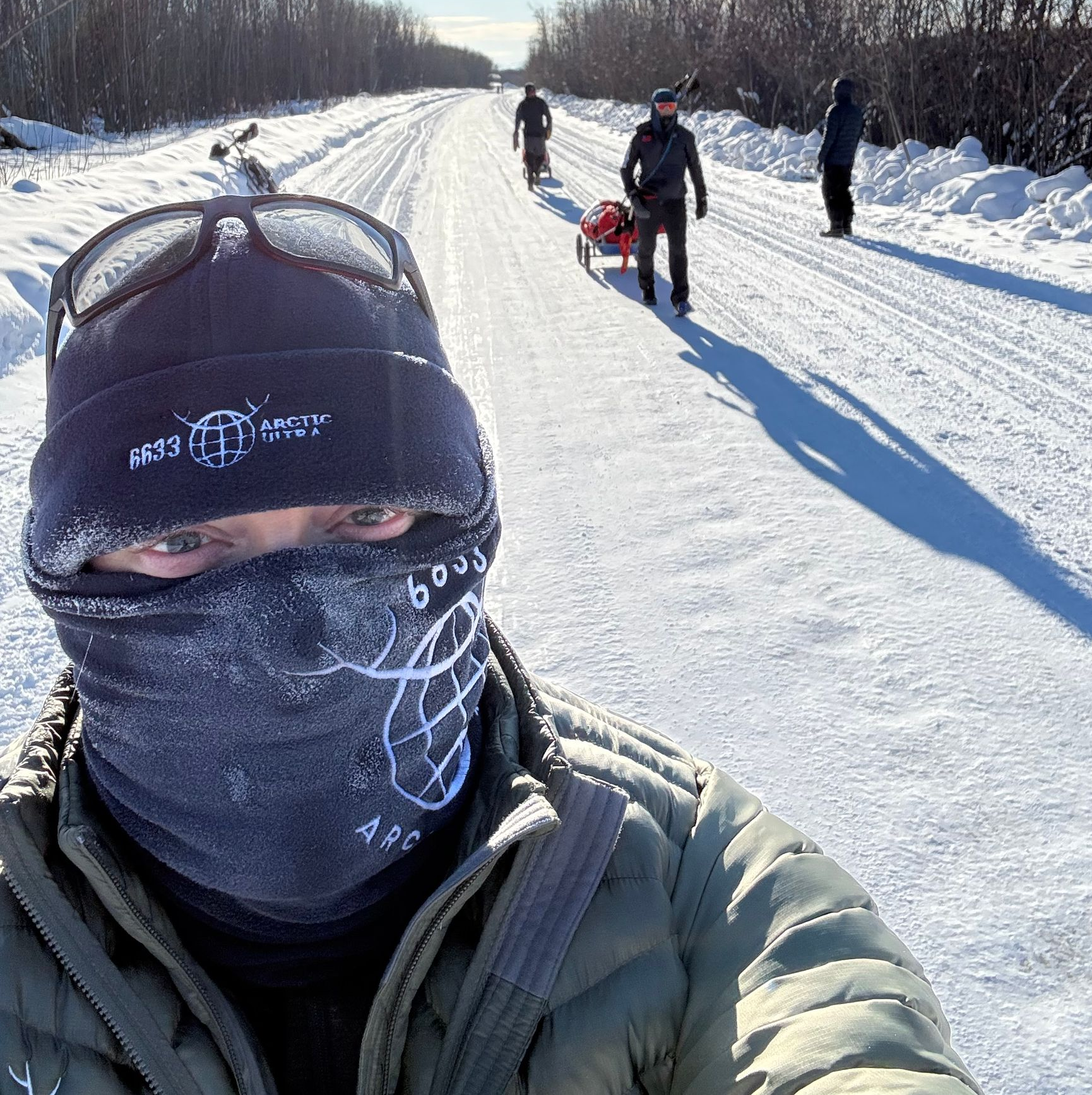
What the Arctic Taught Me About Leadership, Resilience and Business Success Over the years I've had the privilege of leading businesses through periods of growth, transformation and uncertainty. I've also spent countless hours directing and supporting participants in some of the world's toughest endurance events through the 6633 Arctic Ultra. At first glance, business leadership and pulling a sled across the Arctic in temperatures below -40°C appear to have very little in common. One takes place in boardrooms and video calls, the other on frozen rivers and remote wilderness trails. In reality, they share far more than most people realise. The lessons I've seen repeatedly in endurance athletes are often the same traits that separate successful leaders and businesses from those that struggle when conditions become difficult. 1. Success Comes From Consistency, Not Heroics Many people approach both endurance events and business growth believing success comes from extraordinary effort. The reality is usually much less glamorous. The athlete who finishes a multi-day Arctic race isn't normally the fastest, strongest or most talented competitor. More often, they're the person who continues to put one foot in front of the other hour after hour, day after day. Business is remarkably similar. Most successful organisations aren't built through one brilliant strategy, one exceptional quarter or one heroic leader. They're built through consistent execution, disciplined decision-making and the ability to keep moving forward when progress feels slow. The organisations that win are rarely the ones sprinting. They're the ones still moving when others have stopped. 2. Resilience Is About Adaptation, Not Toughness When people hear the word resilience, they often think of grit, determination and simply pushing harder. My experience says otherwise. In the Arctic, conditions can change rapidly. Weather shifts, equipment fails, injuries occur and carefully prepared plans quickly become obsolete. The athletes who succeed aren't necessarily the toughest; they're the most adaptable. The same principle applies in business. Markets change. Competitors emerge. Regulations evolve. Funding disappears. Customers behave differently than expected. The leaders who thrive aren't those who stubbornly stick to the original plan. They're the ones who remain focused on the destination whilst being flexible about the route. Resilience isn't about refusing to bend. It's about bending without breaking. 3. Your Mind Gives Up Before Your Potential Does One of the most fascinating things I've observed in endurance sport is that people rarely stop because they've reached their physical limit. More often, they stop because they've reached a perceived limit. The same happens in business. Leaders face setbacks, uncertainty, criticism and periods where results don't arrive as quickly as expected. During these moments it's easy to question decisions, lose confidence or become distracted by short-term pressures. What separates high performers isn't the absence of doubt. It's their ability to continue despite it. The best endurance athletes and business leaders develop the ability to remain calm, maintain perspective and focus on the next step rather than becoming overwhelmed by the size of the challenge ahead. Final Thoughts Whether I'm coaching executives, leading a business or standing at the start line of a 6633 Arctic Ultra event, I've come to the same conclusion: Success is rarely about talent alone. It's about consistency when motivation fades, adaptability when plans change, and the ability to keep moving forward when conditions become uncomfortable. The environment may differ, but the principles remain the same. And perhaps that's why endurance sport continues to be one of the most powerful leadership development experiences available. It strips away complexity and reminds us of a simple truth: When things get tough, progress belongs to those who keep going. #Leadership #Resilience #ExecutiveCoaching #EnduranceSport #BusinessLeadership #6633ArcticUltra #Performance #GrowthMindset

Why More Executives Need to Leave the Boardroom and Head Outdoors

Challenging from the start to the end!
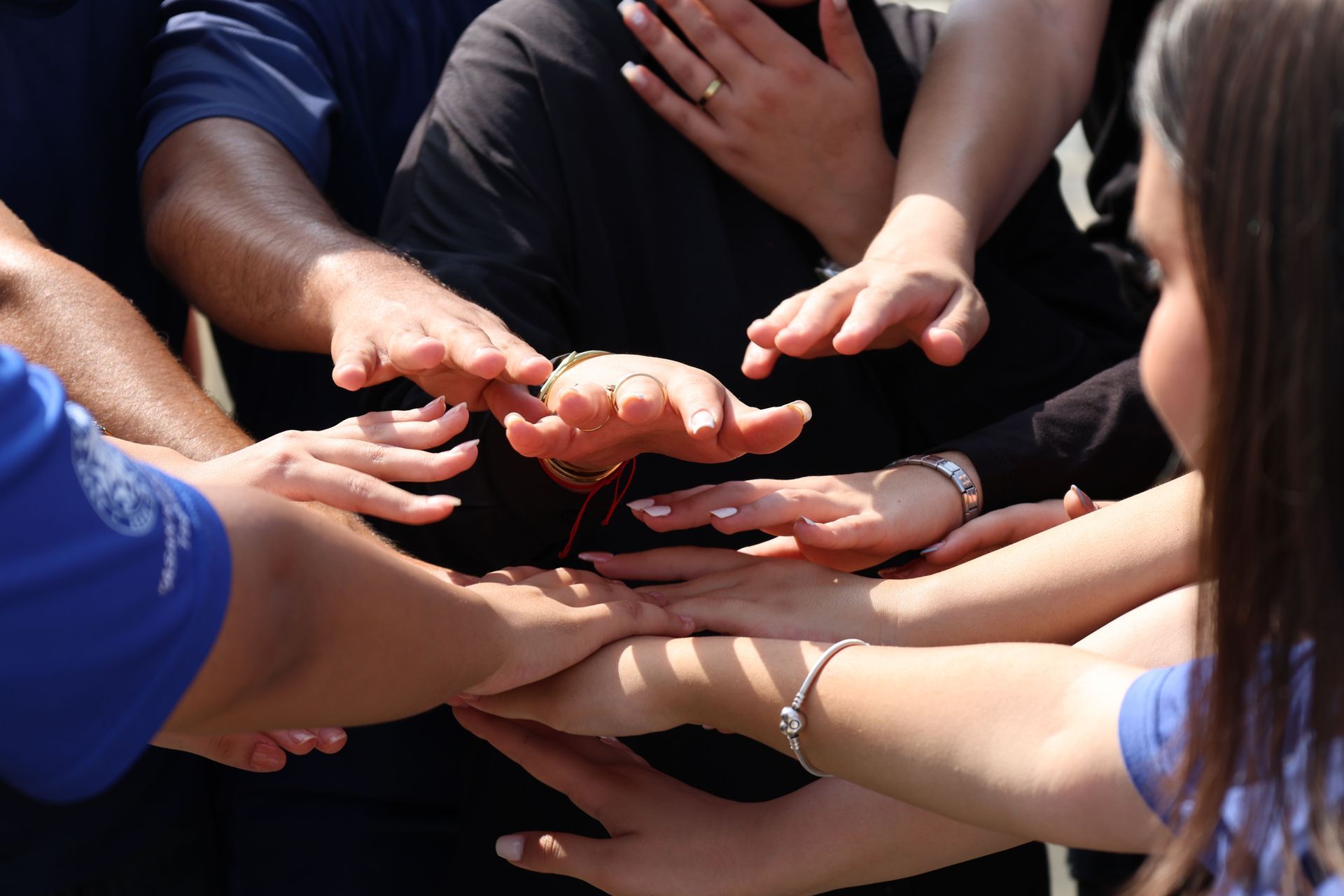
Why Senior Leaders Should Give More Than Money One of the greatest untapped resources in our communities isn't funding. It's leadership. Across the UK there are thousands of charities, community groups, sports clubs, social enterprises and voluntary organisations doing incredible work with limited resources. Many are rich in passion, purpose and commitment, but often lack access to the strategic thinking, governance experience, commercial insight and leadership expertise that senior executives take for granted every day. As leaders, we spend our careers solving complex problems, building teams, managing risk, creating growth and navigating uncertainty. Imagine the impact if more of those skills were shared beyond the boardroom. Giving back should be more than writing a cheque or approving a corporate sponsorship budget. It should involve rolling up our sleeves and actively contributing our experience where it can make a genuine difference. The reality is that a few hours of a CEO's time can transform a charity's strategy. A seasoned CFO can help create financial resilience. An experienced HR Director can strengthen governance and people practices. A commercial leader can help an organisation grow its reach and sustainability. The return on investment for the community is enormous. But there is another benefit that is often overlooked. It makes us better leaders. When you step into a community organisation, nobody cares about your job title, company turnover or the size of your team. You quickly reconnect with purpose, people and impact. You are reminded that leadership is ultimately about service. Many of the best leaders I have worked with have a strong commitment to causes beyond their day job. Whether it is mentoring young people, supporting charities, serving as trustees or volunteering in their communities, they understand that leadership does not stop at the office door. Take people such as Paul Polman, who has long championed the idea that business should serve society, or Marc Benioff, who embedded community contribution into the DNA of his organisation. They understood that corporate success and community impact are not competing priorities. They are mutually reinforcing. Importantly, when senior leaders visibly give their time, they set a powerful example for their workforce. Culture is not built through values statements on office walls or carefully crafted content on a company website. Culture is built by what leaders do. If employees see executives volunteering, mentoring, becoming trustees, supporting local initiatives and contributing their expertise, they receive a clear message that success carries responsibility. Conversely, if community engagement exists only as a marketing exercise, people see through it very quickly. The next generation of employees increasingly want to work for organisations that stand for something. They want to know their leaders care about more than quarterly targets. Authentic community involvement helps create exactly that environment. Some of the most rewarding experiences of my own career have not come from commercial achievements. They have come from helping individuals, supporting community initiatives and using my experience to assist organisations that genuinely need it. The impact often extends far beyond what you initially imagine. A conversation becomes a strategy. A strategy becomes growth. Growth creates opportunity. Opportunity changes lives. As leaders, we often ask ourselves how we can leave a legacy. Perhaps the answer is simpler than we think. Give your experience away. Your community needs it. And chances are, you'll become a better leader because of it. #Leadership #ExecutiveLeadership #CommunityImpact #GivingBack #LeadershipDevelopment #PurposeDrivenLeadership #CorporateCulture #SocialImpact #BoardLeadership #Trusteeship #ExecutiveCoaching #LeadershipMatters #CommunityLeadership #BusinessForGood #PeopleFirstLeadership